Bean to Bliss — Episode 14: What floats is better
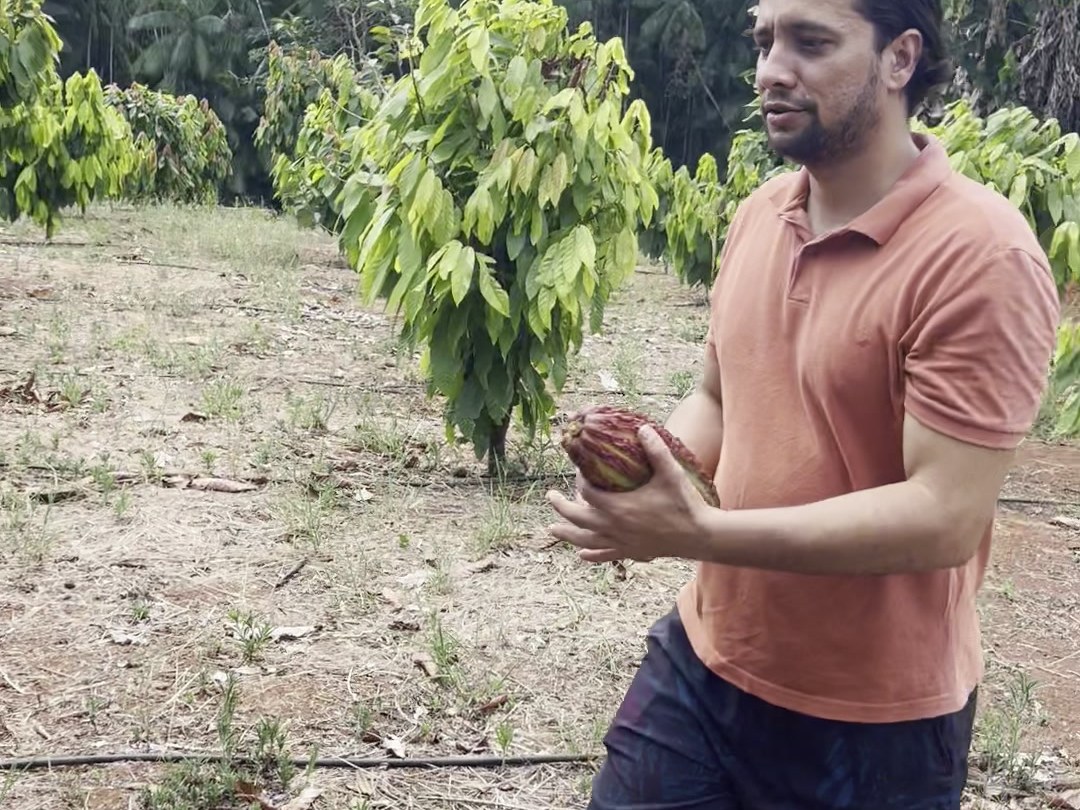
The last episode was about the varieties on the tree, and how many of them the farm is still in the process of naming. This one is about what happens after the harvest — and a test so simple it fits in a bucket.
On the post-harvest bench in Pará, the lesson starts mid-sentence. “Quando a gente faz a imersão das amêndoas de cacau na água, as que estão melhores fermentadas, elas vão flutuar.” When we immerse the cacao beans in water, the better-fermented ones float. “As que estão menos fermentadas vão imergir.” The less-fermented ones sink. One bucket, one afternoon, a small-lot technique that separates only the best — “separar só as melhores para ter amêndoas mais fermentadas.”
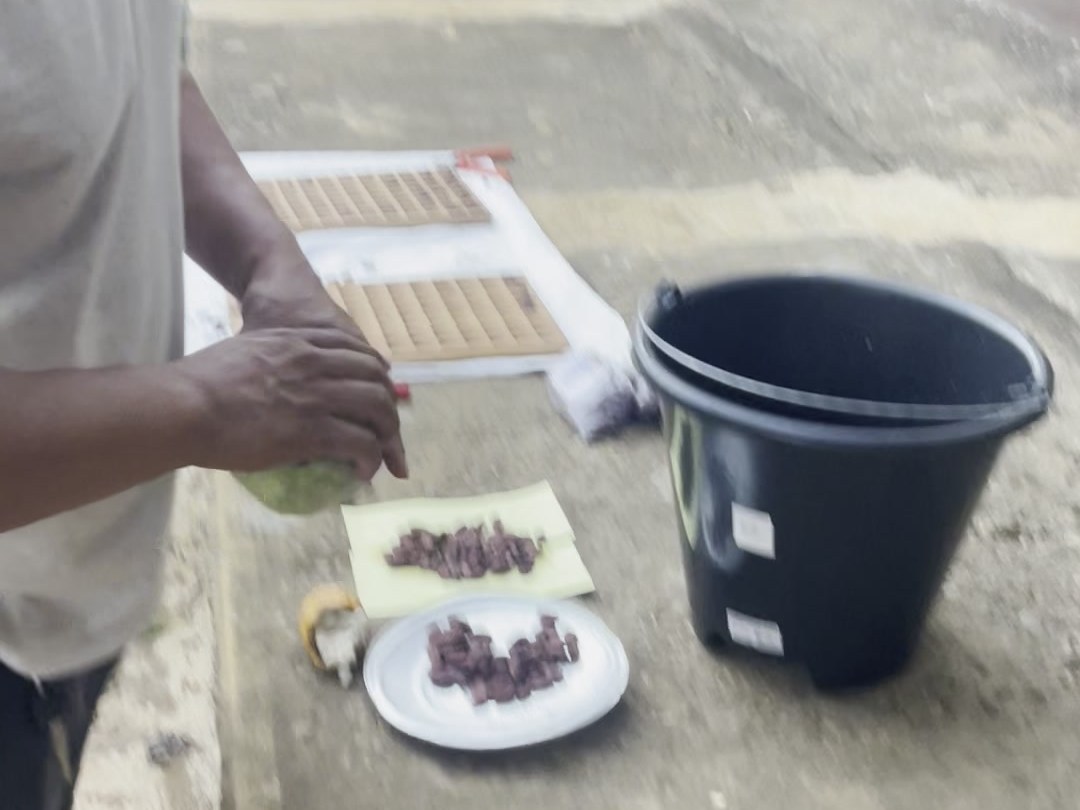
Sorted by hand, not by lab
The fine-chocolate world sorts cacao by genetics: Nacional fraction, forastero, Criollo, the pedigree sheets that end up in tasting notes. Jedielcio sorts by what floats, what ferments, what fruits when. Both are real knowledge. Only one of them shows up in a bucket.
On the same bench, the varieties get hard to tell apart, and he says so plainly. “Precisamos estudar melhor, mas são variedades diferentes — esse é um C-151, esse é híbrido, e esse aqui são outras variedades que a gente precisa identificar, diferenciar.” We need to study more, but they are different varieties: this one is a C-151, this one is a hybrid, and these are others we still need to identify and tell apart.
Watch the field
The raw clips are short — a few seconds each — but they’re the receipt for everything above: the water test, the sorting, the pod opening, the varieties on the bench.
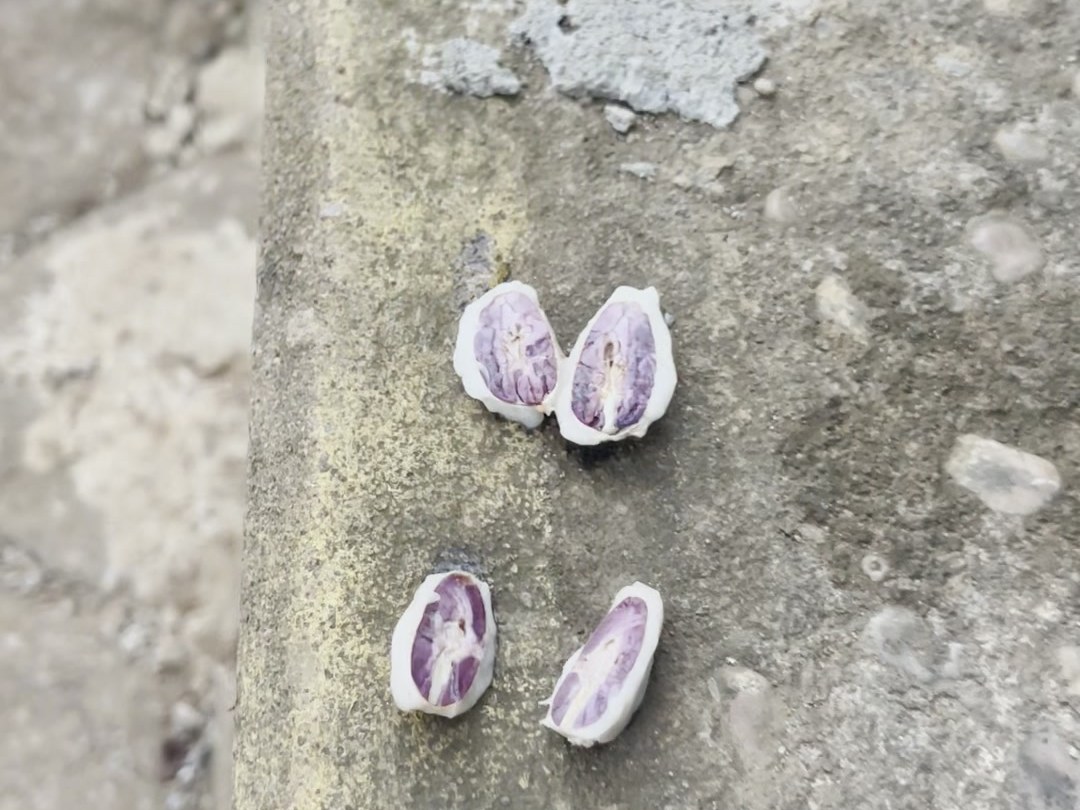
The water test is not a substitute for a lab. It’s better than nothing, it’s free, and it’s what a farmer with a small lot can do with a bucket and an afternoon. “Boa aula, professor,” Jedielcio says at the end of the lesson — good class, teacher. The compliment goes both ways.