Bean to Bliss — Episode 13: How many varieties, really?
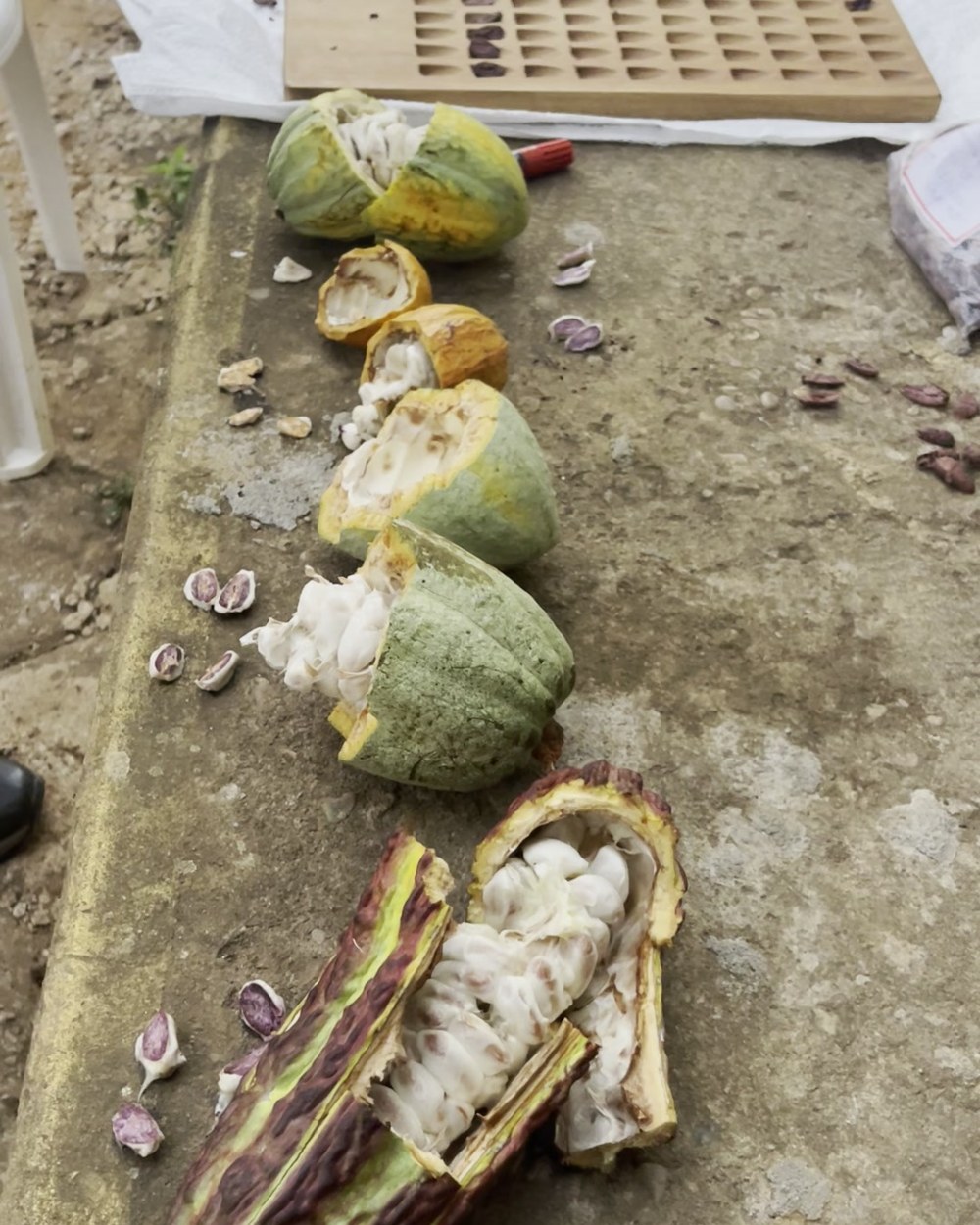
Four short clips from a farm in Altamira, Pará, said there were two cacao varieties. Five more clips, filmed the same week, said at least four — and the farmer holding them still doesn’t have all the names.
We walked the farm twice with Jedielcio, who works this land with CEPOTX, the organic cacao cooperative out of Altamira whose beans ship to Bahia for conversion. The first walk ran about a hundred seconds and seemed to settle a simple story: one tree fruits all year, one tree doesn’t. The second walk — nine more clips, a cracked-open row of pods on a concrete bench, a fermentation lesson conducted half in jest — complicated it in the best possible way.
The first walk
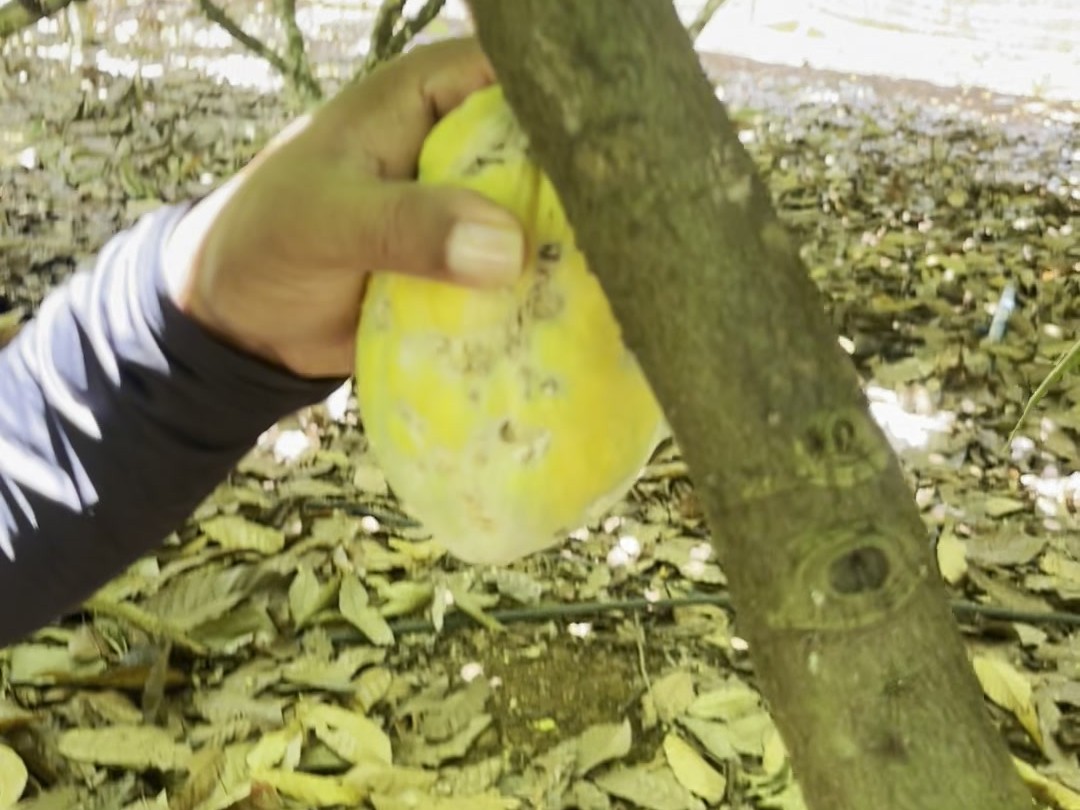
Jedielcio pointed to one tree first. A grafted variety he named on camera — asked directly, he answered “651” and then “Ponta Verde” — green-tipped, smooth pods, shallow ribbing, bright yellow when ripe. “Sempre vai ter frutos… durante todo o ano,” he said. There are always fruits, all year long.
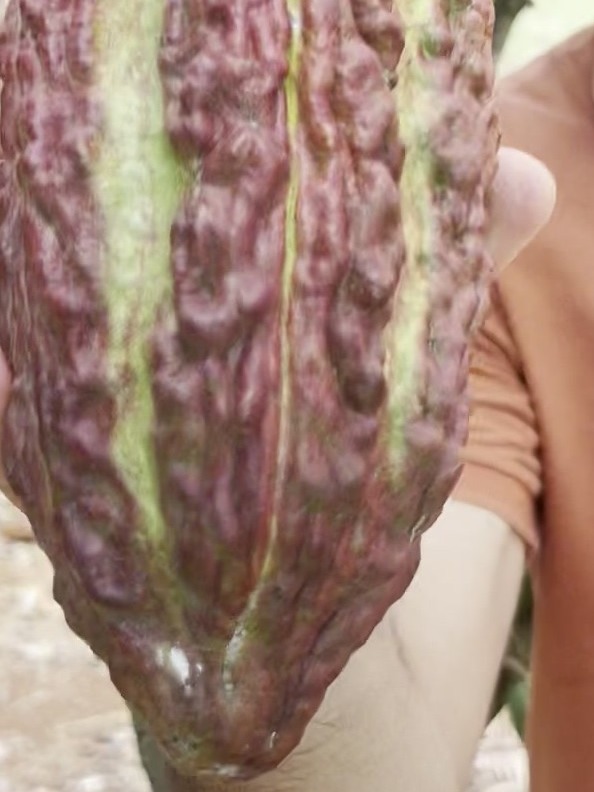
Then he gestured at the other cacao on the same ground. “Essas outras cabaças,” he called them — the common cacao. Deeply furrowed pods, eight to ten ridges, pointed tips, crimson-purple when ripe. “Um período que não tem fruto nenhum.” A stretch with no fruit at all.
Same farm, same soil, same rain. Two plants, two calendars — and, after four clips, what looked like the whole story.
The second walk
It wasn’t. A second batch of footage from the same visit shows Jedielcio and a colleague working down a row of freshly opened pods on a concrete bench, calling out names as they go: “PS1319” for one, “híbrido, 151” for the one beside it, and elsewhere a third pod logged as “C-151.” Whether that third code names a different plant or is shorthand for the same one, the footage doesn’t settle — and that uncertainty is worth keeping rather than smoothing over.
Then the line that reframed the whole story. Working through the row, Jedielcio says it plainly: “Precisamos estudar melhor, mas são variedades diferentes. É importante saber que são variedades diferentes… e esse aqui são outras variedades que a gente precisa identificar, diferenciar.” We need to study this more, but they are different varieties. It’s important to know they’re different — and this one here is other varieties we still need to identify, to differentiate.
That’s a farmer, on his own bench, telling the camera he hasn’t finished the count. We think that’s worth sharing plainly rather than tidying into a cleaner story than the farm actually offers.
A name we’re not going to use
It would be easy to call the year-round tree here a specific well-known high-yield hybrid clone — grafted, smooth pod, fruits year-round, all the right traits on paper. We’re not going to. Nothing on any of the clips from this farm names that clone, and Jedielcio’s own vocabulary for his trees is 651, Ponta Verde, PS1319, and 151. Matching a famous clone’s general profile to a pod that happens to share its traits would be exactly the kind of mislabeling we try hard to avoid. Genetics work in a lab could confirm or rule out a shared lineage. Until then, we’re using the names the farm actually uses.
We also ran the frames through an independent vision model as a check on our own eyes. Its read matched Jedielcio’s: the deeply furrowed crimson pod is visually distinct from everything else on the bench, but the various smooth yellow-to-green pods — the ones carrying names like Ponta Verde, PS1319, and 151 — look close enough to each other that no camera can sort them by sight alone. Telling them apart is a record-keeping job, not a looking job.
| Named so far | What we know |
|---|---|
| Ponta Verde (651) | Smooth yellow pod, fruits year-round, grafted |
| Common cacao | Deeply furrowed crimson pod, strongly seasonal |
| PS1319 | Named on camera during pod-opening; morphology not yet described |
| Híbrido 151 / C-151 | Named as hybrid stock; possibly one plant, possibly two — unresolved |
| “Outras variedades” | Jedielcio’s own words — more pods on the bench than names for them |
What the fruiting calendar means at home
“Sempre vai ter frutos.” There are always fruits. In household terms: there is always income. There is always something to harvest, ferment, sell. The dead season doesn’t exist on this side of the farm.
“Um período que não tem fruto nenhum.” The traditional tree has a stretch with nothing. In a good year that’s a pause; in a lean one it’s the gap where school fees and seed money and the mechanic’s bill all have to wait.
This part doesn’t need a variety ID to be true. A farm growing both a year-round tree and a seasonal one is hedging its own kitchen table against the calendar — with plants it is still in the process of naming.
Why a farm in Pará ends up this diverse
Pará is Brazil’s leading cacao state, and much of its new planting goes into agroforestry on former pasture — the same regenerative model behind every farm we work with. Smallholders in that model plant what survives, what a neighbour shared as seed, what a graft happened to take, year after year, without always keeping a formal record of what went into the ground. The result, on a farm like this one, is a working orchard that’s also an informal genebank: real diversity, only partly catalogued, carrying real economic weight regardless of whether every pod has a name yet.
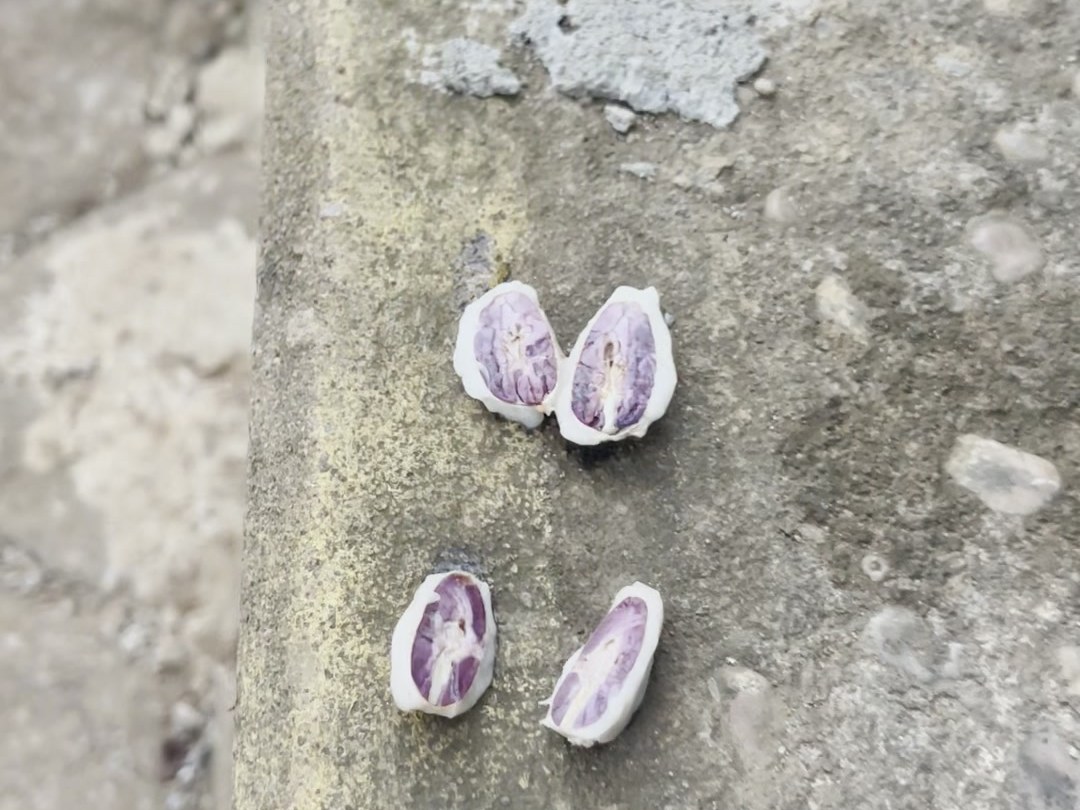
The next time someone hands you a confident variety name for a smallholder cacao farm, ask how many clips they watched. Then go find a farmer willing to say, on camera, that he isn’t sure yet.